Living with C-PTSD; More Than Just Flashbacks

As a young adult, I emerged from my traumatic childhood with the typical symptoms of PTSD that you see on the internet - hypervigilance, dissociation, flashbacks, nightmares, unexplained body symptoms and health problems. But living with Complex PTSD (C-PTSD) came with a many other problems that no one told me about.
C-PTSD affected every part of my self worth and my life. I was terrified of asking for help from others. From struggling to speak up in meetings to repeatedly choosing unstable and doomed-to-fail relationships, to having debilitating anxiety attacks and depression, I couldn’t understand why I felt so different from other more functional people. Eventually I got help and I would never be the thriving person I am today had I not found specialized therapy and expert help.
Recognizing Specific Symptoms
What is C-PTSD? It is a cluster of symptoms that form in a person from repeated trauma usually in childhood growing up in a dysfunctional family where is abuse, neglect, some form of chaos and/or various forms of abandonment. Living with C-PTSD means living with a spectrum of overwhelming symptoms that color your daily experiences.
Here are a variety of symptoms that you might experience:
1. A Need for Approval: You feel constantly anxious about pleasing others.
2. Taking on Too Much Responsibility: You might constantly feel responsible for others' feelings and well-being often putting other’s needs first. This can result in exhaustion.
3. Unstable Relationships: You choose relationships with people who are abusive, abandoning, unstable or unavailable. This results in you feeling re-traumatized, trapped and exhausted.
4. Avoiding Relationships: In order to protect yourself from being hurt you might avoid relationships for long periods of time (relationship anorexia).
5. Guilt When Saying No: When you muster up the courage to assert your needs you are wracked with guilt. Standing up for yourself feels dangerous.
6. Low Self-Esteem: Your self-worth may be fragile, built on shaky foundations. You avoid taking risks and feel overwhelmed when making decisions. You keep yourself in a state of "underbeing".
7. Common PTSD Symptoms: You might have nightmares, flashbacks, dissociation, avoidance of triggering situations, and hypervigilance.
8. Perfectionism: To cope with the trauma you might have become an overachiever. You might always feel you are never doing enough resulting in episodes of burnout and depression.
9. Mental Health Problems: Many people with C-PTSD have chronic anxiety, panic attacks, insomnia and depression. Self harming behavior can also accompany C-PTSD.
10. Substance Abuse and Addictions: C-PTSD is correlated with higher chances of developing substance abuse, alcoholism workaholism, eating disorders or other behavioral addictions. Contrary to what many people think, these addictions are not maladaptive illnesses. They are actually adaptive coping attempts in response to childhood trauma.
11. Body symptoms: You might have unexplained pain in areas of your body.
12. Episodes of intense feelings: People with C-PTSD get easily overwhelmed. You might have episodes of intense despair, hopelessness, fear or anger.
13. Avoiding Conflict: Some people with C-PTSD are afraid of angry people and try to avoid conflict at all cost. This can affect your work and relationships.

Why This Happens: A Deeper Understanding
Symptoms from C-PTSD stem from a nervous system trained to respond to trauma. Prolonged exposure to unhealthy environments in childhood can cause a person to become hyper-aware of potential threats. The brain becomes conditioned to perceive even benign situations as potentially dangerous, keeping you in a perpetual state of flight or flight. The autonomic nervous system remains dysregulated, unable to distinguish between pas trauma and present safety. This affects the mind, the body, your relationships and your work.
The Good New Is - Therapy Helps You Heal
C-PTSD requires expert and compassionate treatment. It is best to choose a therapist who is specialized and experienced with using the most evidence based therapies such as Eye Movement Desensitization and Reprocessing (EMDR), Internal Family Systems Therapy (IFS), Cognitive Behavioral Therapy (CBT) and Somatic Therapies. There are multiple paths of treatments for C-PTSD.
Most importantly, make sure your therapist understands you and collaborates with you to develop a treatment plan that is best suited to your individual needs. With the right therapist and the right tools you can reclaim your self worth and improve your quality of life for good. You can heal and find a new sense of freedom you never had before.
Free Consultation
If childhood trauma is causing you some of these problems, you don't have to figure it out alone. Many therapists offer a free consultation so you can make sure it feels like a good fit before scheduling a full appointment.
Learn More - Schedule a free 15-minute consultation
FAQ
1. What is Complex PTSD?
C-PTSD arises from prolonged trauma exposure often (but not always) in childhood, leading to symptoms like emotional dysregulation, difficulty in relationships, low self esteem and PTSD symptoms
2. How can one manage symptoms of C-PTSD? The best way to manage CPTSD is by working with a therapist that truly understands and has expertise in treating trauma. Together you can work on it as a team using real evidence based therapies that actually work.
3. Is recovery from C-PTSD possible? Yes, with the right support and strategies, many can experience a reduction of symptoms and learn to navigate life more freely and authentically.
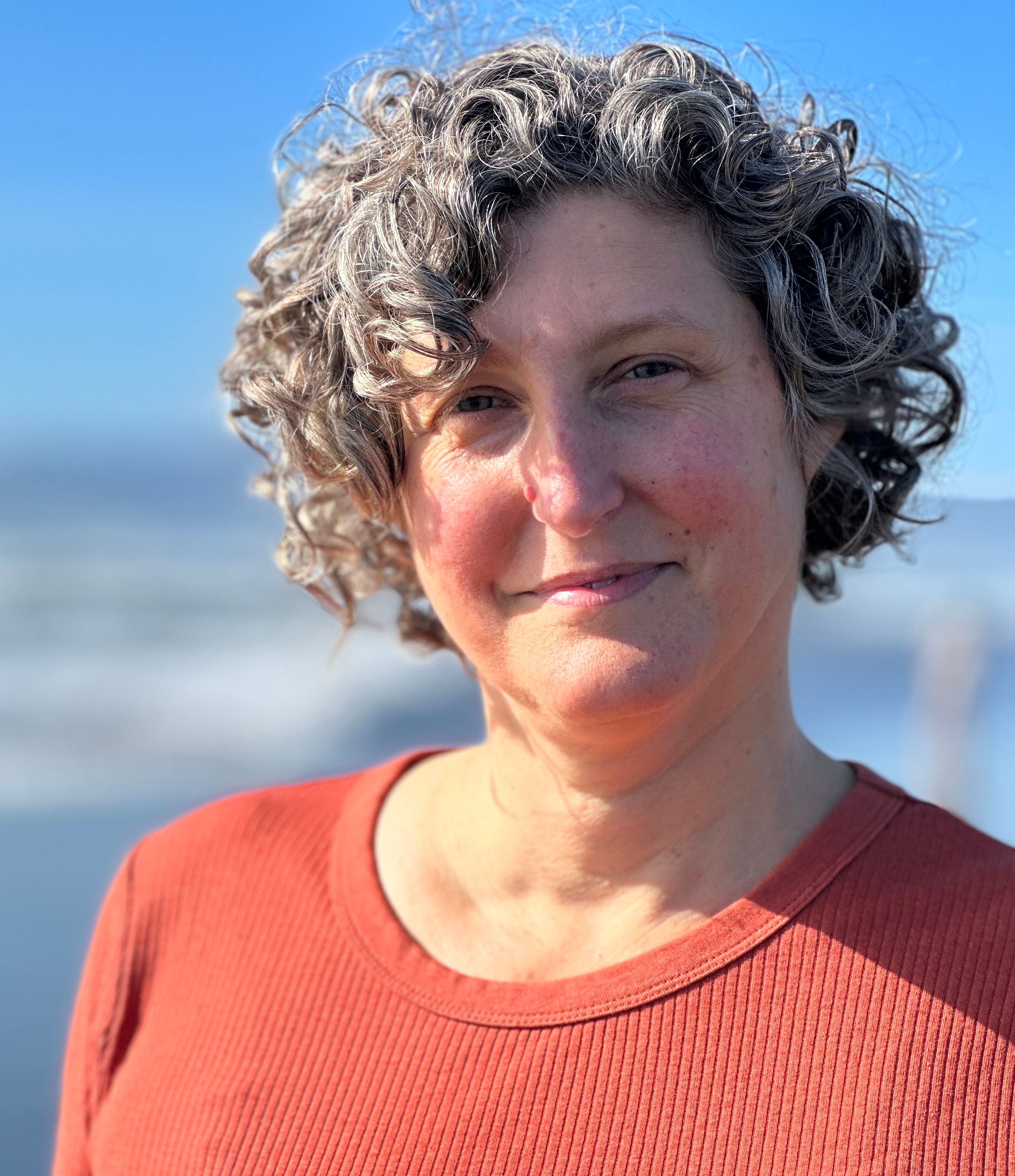
Chiara Manodori, LCSW
Trauma-informed therapist specializing in helping adults and adolescents navigate trauma, eating disorders, OCD and related mental health concerns through evidence-based approaches.